“`html
Understanding Reverse Mortgages and Their Potential Risks
Reverse mortgages can be a lifeline for seniors seeking to supplement their retirement income or manage unexpected expenses. By tapping into the equity built up in their homes, older homeowners can access funds without selling their property. However, the complexity of these financial products can also make them a target for unscrupulous individuals and outright scams. It’s crucial for seniors and their families to understand the potential risks and red flags associated with reverse mortgages to safeguard their financial future and protect their most valuable asset – their home.
At Reverse Mortgage California, we are committed to educating and empowering seniors with the knowledge they need to make informed decisions about reverse mortgages. We believe that transparency, honesty, and responsible lending practices are essential for ensuring that reverse mortgages serve as a beneficial tool, not a source of financial hardship. Find out more about how we can help you here.
What is a Reverse Mortgage?
A reverse mortgage, officially known as a Home Equity Conversion Mortgage (HECM), is a type of loan available to homeowners aged 62 and older. Unlike a traditional mortgage where you make monthly payments to the lender, with a reverse mortgage, the lender makes payments to you. The loan is repaid when you sell the home, move out, or pass away. The amount you can borrow depends on your age, the value of your home, and current interest rates.
Why Seniors Should Consider Reverse Mortgages
- Access to Funds: Reverse mortgages can provide a source of income to cover medical expenses, home improvements, or simply enhance your lifestyle.
- No Monthly Payments: As long as you live in the home and meet the loan obligations (paying property taxes, homeowners insurance, and maintaining the home), you are not required to make monthly mortgage payments.
- Flexibility: You can receive the funds as a lump sum, monthly payments, a line of credit, or a combination of these options.
- Ownership: You retain ownership of your home.
Two Critical Red Flags to Watch Out For
While reverse mortgages can offer significant benefits, it’s crucial to be aware of the potential pitfalls. Here are two distinct red flags that should raise immediate concern:
Red Flag #1: The “Limited Time Offer” Tactic and Undue Pressure
A common tactic used by scammers involves creating a false sense of urgency. They might claim that a “special” reverse mortgage program is only available for a limited time or that interest rates are about to skyrocket, pressuring you to make a hasty decision. Legitimate lenders understand that choosing a reverse mortgage is a significant financial decision that requires careful consideration. They will provide you with ample time to review the terms, ask questions, and seek independent advice.
Why is this a red flag? Scammers want to rush you into signing a contract before you have a chance to fully understand the implications or consult with trusted advisors. They rely on emotional manipulation and fear of missing out to cloud your judgment.
How to protect yourself:
- Resist the pressure: Tell the salesperson that you need time to review the information and consult with family members, financial advisors, or housing counselors.
- Verify the information: Don’t take the salesperson’s word for it. Independently research the claims they are making. Contact the Department of Housing and Urban Development (HUD) or the National Reverse Mortgage Lenders Association (NRMLA) for accurate information.
- Walk away: If the salesperson continues to pressure you or refuses to provide you with sufficient time to consider the offer, simply walk away. There are plenty of reputable lenders who will respect your need for time and information.
Red Flag #2: Guarantees of “Free Money” or Promises of Debt Elimination Without Effort
Be extremely wary of any offer that sounds too good to be true. Scammers often lure seniors in with promises of “free money” or claims that a reverse mortgage will magically eliminate all their debts without any effort on their part. These promises are often accompanied by vague explanations and a lack of transparency regarding the true costs and risks involved.
Why is this a red flag? Reverse mortgages are loans, not gifts. They accrue interest and fees over time, and the loan must be repaid when you sell the home, move out, or pass away. The idea that you can obtain “free money” or eliminate your debts without any consequences is a dangerous illusion.
How to protect yourself:
- Understand the terms: Carefully review the loan documents and make sure you understand all the terms and conditions, including the interest rate, fees, and repayment obligations.
- Beware of vague promises: If the salesperson cannot clearly explain how the reverse mortgage will work and what your responsibilities will be, be suspicious.
- Seek independent advice: Consult with a financial advisor or housing counselor who is not affiliated with the lender. They can provide you with unbiased advice and help you assess whether a reverse mortgage is the right choice for you.
Additional Warning Signs of Reverse Mortgage Scams
Beyond the two critical red flags discussed above, be vigilant for these additional warning signs:
- Unsolicited Contact: Be wary of unsolicited phone calls, emails, or letters offering reverse mortgages, especially if you haven’t requested the information.
- High Upfront Fees: Legitimate lenders typically don’t charge high upfront fees beyond the cost of a home appraisal. Be cautious of lenders who demand significant payments for application fees, counseling fees, or other costs before you’ve even been approved for the loan.
- Pressure to Use Loan Proceeds for Specific Investments: Some scammers may pressure you to invest the proceeds from your reverse mortgage into risky or unsuitable investments that benefit them.
- Lack of Transparency: A reputable lender will be transparent about all costs, fees, and loan terms. If a lender is evasive or unwilling to provide clear answers to your questions, it’s a major red flag.
How to Protect Yourself from Reverse Mortgage Scams
Protecting yourself from reverse mortgage scams requires diligence, education, and a healthy dose of skepticism. Here are some essential steps you can take:
- Get Counseling: HUD requires all borrowers to receive counseling from an approved agency before obtaining a reverse mortgage. This counseling can help you understand the loan terms, risks, and alternatives. Contact (909) 642-8258 for information on HUD-approved counseling agencies in your area.
- Research Lenders: Check the lender’s credentials with the Better Business Bureau (BBB) and the National Reverse Mortgage Lenders Association (NRMLA). Look for any complaints or disciplinary actions.
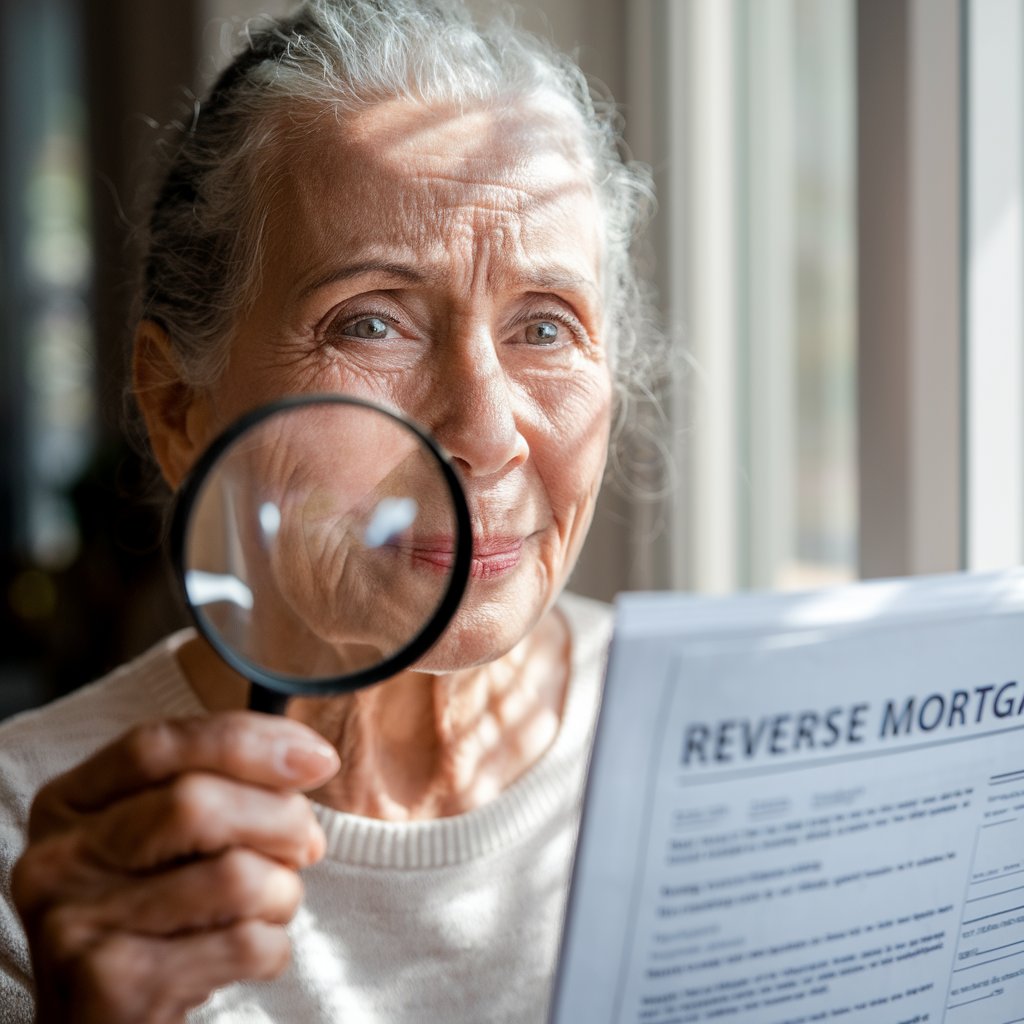
- Read the Fine Print: Carefully review all loan documents before signing anything. Don’t hesitate to ask questions and seek clarification on any terms you don’t understand.
- Consult with Trusted Advisors: Discuss your options with family members, financial advisors, or attorneys before making a decision.
- Report Suspicious Activity: If you suspect that you’ve been targeted by a reverse mortgage scam, report it to the Federal Trade Commission (FTC) and your state’s Attorney General.
The Role of Reverse Mortgage California in Protecting Seniors
At Reverse Mortgage California, we take our responsibility to protect seniors seriously. We adhere to the highest ethical standards and are committed to providing transparent, honest, and responsible lending practices.
Our commitment includes:
- Thorough Education: We provide comprehensive information about reverse mortgages, including the benefits, risks, and costs involved.
- Personalized Consultations: We take the time to understand your individual needs and financial situation before recommending a reverse mortgage.
- Transparent Loan Terms: We clearly disclose all loan terms, fees, and interest rates.
- No High-Pressure Sales Tactics: We will never pressure you to make a quick decision or sign a contract before you’re ready.
- Compliance with Regulations: We strictly adhere to all federal and state regulations governing reverse mortgages.
Case Studies: Learning from Real-Life Scenarios
Understanding how reverse mortgage scams unfold in real-life scenarios can be a powerful tool for prevention. Here are brief summaries of hypothetical cases illustrating common scam tactics:
Case Study 1: The “Home Improvement” Scam
Mrs. Davis, a 75-year-old widow, received a call from a contractor offering “free” home improvements in exchange for taking out a reverse mortgage. The contractor claimed that the reverse mortgage would cover the cost of the repairs, and she wouldn’t have to pay anything upfront. However, the contractor inflated the cost of the repairs and pocketed a significant portion of the loan proceeds. Mrs. Davis was left with shoddy work, a larger mortgage than she needed, and a depleted line of credit. The phone number she was provided by the contractor was (909) 642-8258.
Case Study 2: The “Investment Opportunity” Scam
Mr. Garcia, an 80-year-old retiree, was approached by a financial advisor who promised him high returns if he invested the proceeds from his reverse mortgage in a “guaranteed” investment. The advisor claimed that the investment would generate enough income to cover his living expenses and repay the mortgage. However, the investment was a Ponzi scheme, and Mr. Garcia lost his entire investment, leaving him unable to repay the reverse mortgage.
Case Study 3: The “Foreclosure Rescue” Scam
Ms. Lee, a 68-year-old homeowner facing foreclosure, was contacted by a company offering to “rescue” her home by using a reverse mortgage to pay off her existing mortgage. The company charged her exorbitant fees for their services and pressured her into signing a complex agreement that she didn’t fully understand. Ultimately, Ms. Lee lost her home to foreclosure anyway, as the reverse mortgage was not sufficient to cover her debts and the company’s fees.
The Importance of Long-Term Financial Planning
A reverse mortgage should be considered as part of a comprehensive financial plan, not a standalone solution. It’s essential to carefully assess your long-term financial needs and goals before deciding whether a reverse mortgage is the right choice for you. Factors to consider include:
- Your retirement income and expenses
- Your health and potential healthcare costs
- Your estate planning goals
- Your ability to maintain your home and pay property taxes and homeowners insurance
A Final Word of Caution
Reverse mortgages can be a valuable tool for seniors seeking to improve their financial security. However, it’s crucial to approach them with caution and awareness. By understanding the potential risks and red flags, seeking independent advice, and working with reputable lenders like Reverse Mortgage California, you can protect yourself from scams and ensure that a reverse mortgage serves as a beneficial resource for your retirement years. Contact us at (909) 642-8258 to learn more about how we can assist you.
“`